
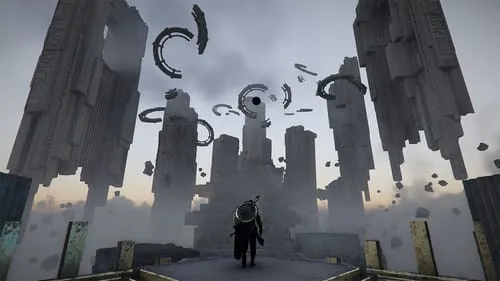
Pearl Abyss forgot to mention it used generative AI to create assets for Crimson Desert

Crimson Desert developer Pearl Abyss has apologized to players for failing to disclose the use of generative AI during production.
In a statement posted on X over the weekend, the studio confirmed some assets created using "experimental AI generative tools" were included in the launch build.
It's another notable instance of a major studio seeking forgiveness rather than asking for permission after leveraging the divisive technology, which as noted in the latest GDC State of the Industry survey has a habit of rubbing developers the wrong way.
Pearl Abyss said the Crimson Desert team produced some "2D visual props" using generative AI tools during the early stages of production. "These assets helped us rapidly explore tone and atmosphere," it added.
The studio claimed it always intended to remove those assets before launch to ensure the final product aligned with its "quality standards and creative direction." Evidently, it missed the mark in that regard.
"Following reports from our community, we have identified that some of these assets were unintentionally included in the final release. This is not in line with our internal standards, and we take full responsibility for it," reads the statement.
"We also acknowledge that we should have clearly disclosed our use of AI. While these tools were primarily used during early production, with the expectation that these assets would be replaced prior to release, we recognize that this does not excuse the lack of transparency."
The development team said it is now conducting a "comprehensive audit" of all in-game assets and will take steps to replace any affected content.
"Updated assets will be rolled out in upcoming patches. In parallel, we are reviewing and strengthening our internal processes to ensure greater transparency and consistency in how we communicate with players moving forward," continues the statement.
It's unclear which generative AI tools were used by Pearl Abyss during production, but major purveyors of the technology such as OpenAI, Microsoft, and Anthropic have all faced (and in some cases settled) lawsuits for allegedly training their models on copyrighted material.
Last year, Ubisoft and 11 Bit Studios issued similar apologies after placeholder assets produced using generative AI were included in Anno 117: Pax Romana and The Alters.