
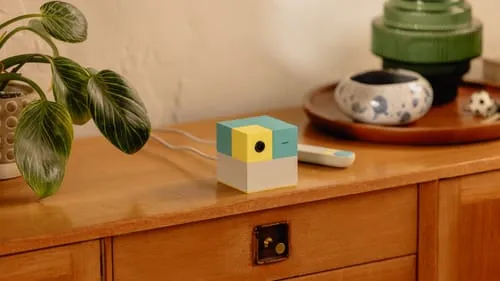
The Nex Playground is getting a price hike because of the memory crisis

Nex is increasing the recommended retail price of its motion-controlled console, Nex Playground, to $299 from $249 starting April 1, 2026. The company said the decision was made as a result of the ongoing memory crisis.
"We know this isn't welcome news, and this is not a change we take lightly," reads an announcement on the Nex website, penned by Nex CEO David Lee.
Lee claimed Nex is feeling the effects of rampant investment in AI datacenters (thanks, Reuters) and the resulting component shortages.
"Over the past six months, the cost of key components—especially memory (DDR) and storage (eMMC)—has risen significantly across the industry. These increases are driven in part by the rapid expansion of AI infrastructure, which is reshaping global supply and demand for these parts. You may have seen reports about the broader memory shortage," wrote Lee.
"Like many consumer electronics companies, weve worked hard to absorb these cost increases for as long as possible. However, at current levels, its no longer something we can sustainably carry on our own."
Lee said he understands the move might make the Nex Playground—which reportedly outsold the Xbox for a week over the holiday period (via The Verge)—less accessible, but stressed it's his duty to operate a "responsible and stable business."
The prices of Play Pass, a monthly subscription that grants Nex owners access to an entire catalog of games with no ads and other benefits, will remain unchanged.
Nex isn't the first company to have publicly discussed the risks and impact of the memory crisis. In February, Valve said the situation had forced it to review its shipping schedule and pricing options for the Steam Machine, which was initially expected to launch in early 2026.
"When we announced these products in November, we planned on being able to share specific pricing and launch dates by now. But the memory and storage shortages you've likely heard about across the industry have rapidly increased since then," wrote the company on the Steam Hardware blog.
The next day, Nintendo president Shuntaro Furukawa said the company was working to secure "stable supplies" of memory components in order to preserve the price of Switch 2 hardware—but warned the situation could put pressure on profitability.
More recently, Valve warned it might soon be difficult to secure a Steam Deck OLED in some regions due to the crisis, while Bloomberg reported that Sony could even delay the next PlayStation console until 2028 or 2029 to avoid launching new hardware amid the component shortage.